




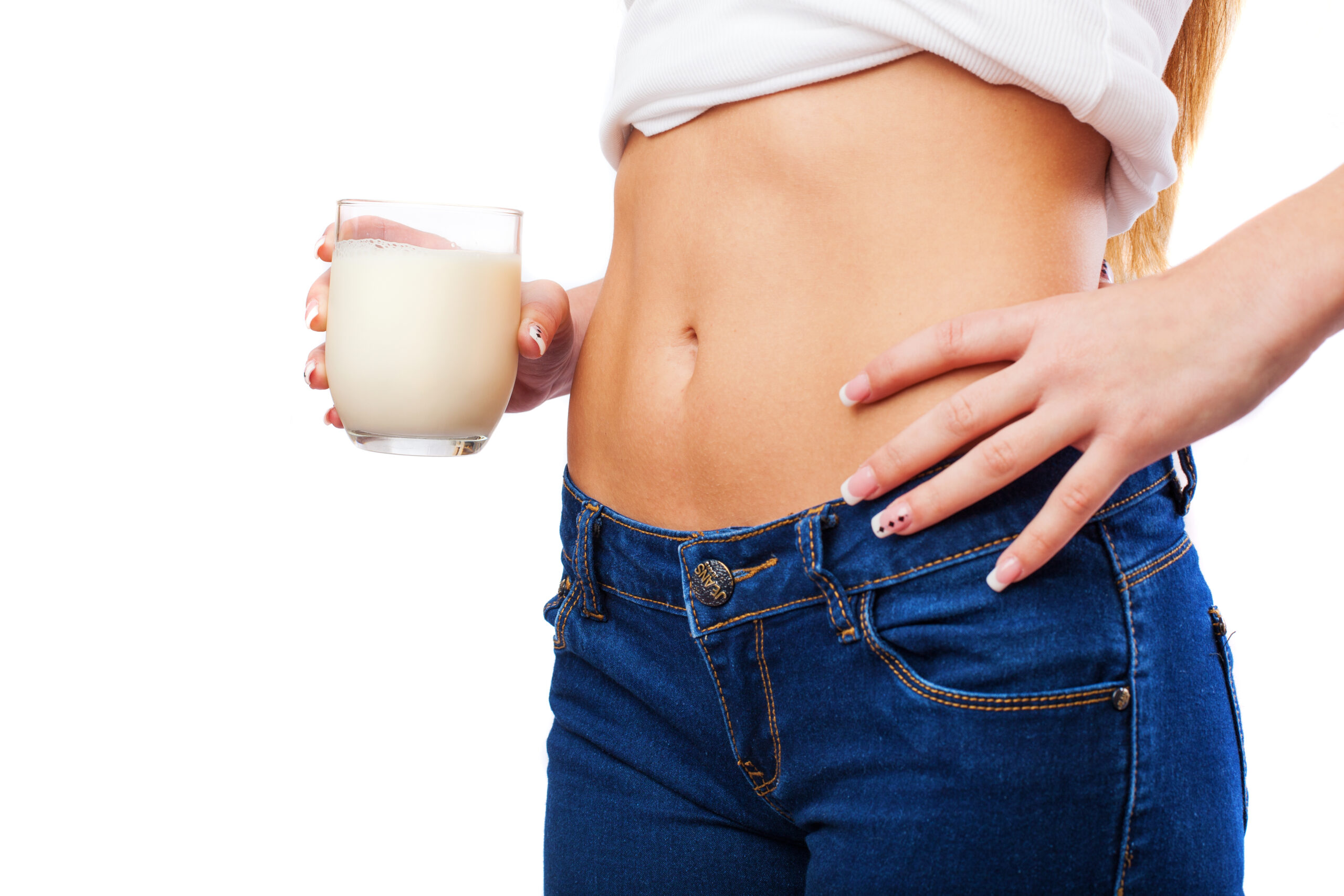
Does milk make you gain belly fat? This is a common concern for anyone trying to manage their weight or tone their midsection. If you’ve ever wondered whether your daily cup of milk could be the reason behind stubborn belly fat, you’re not alone.
The idea that milk may cause weight gain, especially in the belly area, has been widely debated. With so much conflicting information online, it’s easy to fall for myths. The truth, however, is more nuanced.
This article answers the question “does milk make you gain belly fat” by exploring the nutritional science behind milk, its effect on your body, and how to include it in a healthy diet. We’ll also introduce a non-surgical method to lose belly fat faster and more effectively: U-Lipo® from Prettislim.
Understanding Belly Fat: What Really Causes It?
To truly answer the question “does milk make you gain belly fat”, we must first understand what belly fat is and what contributes to it.
There are two types of belly fat:
- Subcutaneous fat: Fat stored directly under the skin. It’s more visible but less harmful.
- Visceral fat: Fat stored around internal organs. This is more dangerous as it’s linked to diabetes, high blood pressure, and heart disease.
Major causes of belly fat include:
- Eating more calories than your body burns
- Sedentary lifestyle with little to no exercise
- High sugar and refined carb intake
- Hormonal issues such as thyroid problems or PCOS
- Chronic stress and lack of sleep
- Insulin resistance
It’s important to note that milk does not cause belly fat by itself. Excess calorie consumption and an unhealthy lifestyle are the main reasons fat accumulates around your stomach.
Nutritional Breakdown of Milk
Before deciding whether milk is responsible for belly fat, it’s helpful to understand what milk contains.
A standard glass (240 ml) of whole milk contains:
- Around 146 calories
- About 8 grams of fat
- 8 grams of protein
- 12 grams of natural sugar (lactose)
- Vitamins and minerals including calcium, B12, and potassium
Now let’s look at some popular milk alternatives:
- Almond milk (unsweetened): 30–40 calories, 1 gram protein, 2–3 grams fat, 0 grams sugar
- Oat milk (unsweetened): 100–120 calories, 2–4 grams protein, 5 grams fat, 7–10 grams sugar
- Soy milk: 80–100 calories, 7–9 grams protein, 4 grams fat, 1 gram sugar
Some alternatives are better suited for those on a diet plan for weight loss for female, especially if combined with a Indian vegetarian diet plan or 21-day diet plan.
Many people wonder, does milk make you gain belly fat because of its sugar content? The sugar in milk is lactose, a natural sugar, not an added one. This means it’s not inherently harmful unless you are consuming it in excess or pairing it with sugary foods.
Milk and Weight Gain: Separating Myth from Reality
There is a common belief that milk is fattening. But the question is, does milk make you gain belly fat, or is it just a misunderstood source of nutrition?
Scientific studies, including content from Rufil and Exante, have shown that milk does not directly lead to weight gain. What causes weight gain is a calorie surplus — eating more calories than you burn.
If you include milk in a balanced diet, it can actually help with weight management. The protein in milk keeps you full, reduces cravings, and helps maintain lean muscle.
The real issue is how milk is consumed:
- Drinking multiple glasses of full-fat milk with snacks or sweets
- Using milk in sugary lattes or desserts
- Ignoring the calorie count of flavored or condensed milk
In such cases, the answer to “does milk make you gain belly fat” becomes yes — but only because of poor dietary habits.
Can Milk Specifically Cause Belly Fat?
The specific concern for many people is not just weight gain, but belly fat. So, does milk make you gain belly fat in particular?
Here’s what matters:
- Insulin response: Milk causes a moderate insulin release, but not in a harmful way for most people. Unless you’re insulin resistant, this is not a concern.
- Portion control: Drinking two glasses of full-cream milk daily, especially at night or with sweets, can push you into a calorie surplus.
- Type of milk: Whole milk has more calories and fat than skimmed or almond milk. Choosing the right type matters.
- Flavored milk: High in added sugars, these can definitely lead to fat accumulation if consumed frequently.
- Timing: Drinking milk post-workout may support fat loss, while late-night consumption with cookies may contribute to fat gain.
So again, does milk make you gain belly fat? Not directly, but it can contribute when combined with high-calorie habits or lack of activity.
Healthier Milk Options for Belly Fat Watchers
If you’re cautious about belly fat, you don’t have to eliminate milk entirely. Instead, focus on better choices.
Healthier milk types include:
- Skimmed milk: Lower in fat and calories, while still offering calcium and protein.
- Almond milk (unsweetened): Very low in calories and contains healthy fats.
- Oat milk (unsweetened): Contains fiber and can be filling.
- Whey protein mixed with skim milk: Excellent for post-workout recovery and muscle support.
Avoid options like:
- Flavored or sweetened milk
- Condensed milk
- Milk-based desserts or milkshakes
By being mindful of your milk choices, you can confidently answer the question “does milk make you gain belly fat” with a clear “No.”
Smart Tips for Drinking Milk Without Gaining Belly Fat
If you love milk, you can still enjoy it without the fear of gaining belly fat. Here are simple habits to keep in mind:
- Drink milk in the morning or after workouts for better energy use.
- Pair milk with high-fiber or high-protein foods like oats or eggs.
- Avoid sugary drinks like milk-based lattes, bubble tea, and chocolate milk.
- Choose low-fat or unsweetened options whenever possible.
- Watch your overall daily calorie intake — even healthy foods can lead to weight gain if consumed in excess.
So, does milk make you gain belly fat? Not if you apply these tips and stay within your nutritional needs.
When Diet and Exercise Aren’t Enough
Even after managing your milk intake and following a healthy routine, belly fat can remain. Why?
Some reasons include:
- Hormonal issues like insulin resistance or PCOS
- Age-related metabolism slowdown
- Stress-related fat retention
- Sedentary work life with little movement
In such cases, professional help may be needed. That’s where Prettislim’s U-Lipo® comes in — offering visible results without surgery or downtime.
U-Lipo®: The Smarter Way to Beat Belly Fat
If you’re doing everything right and still asking does milk make you gain belly fat, it’s time to explore U-Lipo® Tummy Tuck.
What is U-Lipo®?
U-Lipo® is a 4-in-1 advanced fat-loss treatment that helps target belly fat effectively using non-surgical methods.
Why choose U-Lipo® at Prettislim?
- Scientifically proven fat breakdown technology
- No cuts, no surgery, no downtime
- Personalized diet and fitness support
- Trusted by over 95% satisfied clients
Explore more:
Real stories from Mumbai clients show how U-Lipo® has helped them reduce inches safely and effectively. Visit Prettislim.com to learn more.
Still struggling with belly fat despite healthy choices?
It might be time to try something smarter. Discover the U-Lipo® Belly Tuck at Prettislim, Mumbai’s leading non-surgical slimming clinic.
With over 95% satisfaction, medically supervised treatments, and proven inch loss, it’s your shortcut to visible results.
Conclusion
To wrap it up: does milk make you gain belly fat? The answer is no, as long as you drink it in moderation, choose the right type, and maintain a balanced lifestyle.
Milk offers valuable nutrients, including protein and calcium, that support weight management. It becomes a problem only when consumed in excess or as part of an unhealthy diet.
If you’ve already taken control of your eating habits and still struggle with belly fat, it’s time to explore advanced options like U-Lipo® at Prettislim — a safe, non-surgical way to sculpt your waistline.
Frequently Asked Questions
Not if you’re within your calorie limits and choose low-fat or unsweetened milk.
Yes, flavored milk is often loaded with added sugar, which can contribute to belly fat.
It depends on your total daily calories. Drinking milk late with snacks may lead to excess intake.
Skimmed milk, unsweetened almond milk, or oat milk are better for fat-conscious diets.
No. You can continue drinking milk, just choose healthier options and control portions.
Yes, in lactose-intolerant individuals, bloating may occur — but that’s not the same as gaining belly fat.
Yes, milk provides protein and nutrients that support muscle recovery and may help manage weight.

 Call Us