




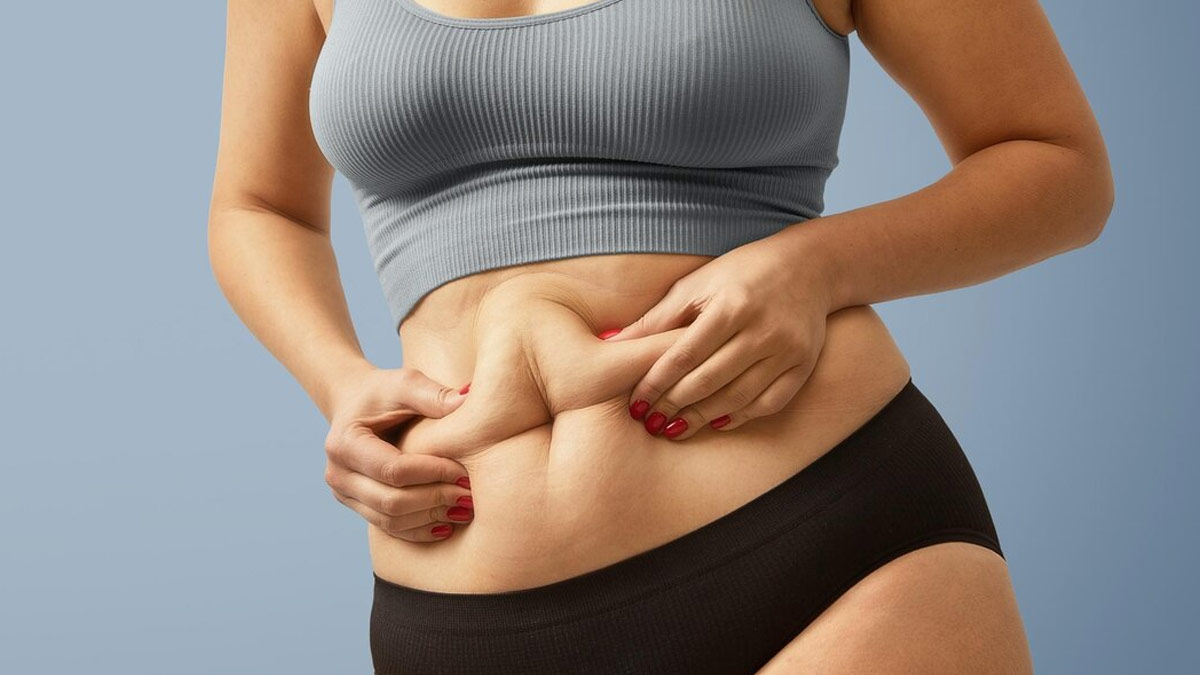
Weight gain is not always the result of overeating or a lack of exercise. In some cases, hormonal changes can make it harder for the body to manage weight, even when a person is following a healthy diet and staying physically active. Hormones influence metabolism, appetite, fat storage, energy levels and several other processes involved in maintaining a healthy body weight. When these hormones become imbalanced, unexplained or stubborn weight gain may occur.
Hormonal weight gain is a common concern among people who have tried different diets and exercise routines without achieving the expected results. Conditions such as thyroid dysfunction, PCOS or PCOD, menopause-related hormonal changes and chronic stress may contribute to changes in body weight. At Prettislim, understanding the possible factors behind weight gain is an important part of creating a personalized weight-management approach. Instead of relying only on generic calorie-reduction plans, the focus is on understanding individual requirements and developing a suitable nutrition and lifestyle strategy.
What Is Hormonal Weight Gain?
Hormonal weight gain refers to weight changes that may be associated with alterations in the body’s hormonal balance. Hormones act as chemical messengers that regulate important functions such as metabolism, hunger, energy use and fat storage. When hormonal changes affect these processes, losing weight can sometimes become more challenging.
People experiencing hormonal weight gain may notice that their weight increases despite making efforts to eat better or exercise regularly. Some may also experience changes in appetite, energy levels or fat distribution. However, weight gain can have many possible causes, and not every case of unexplained weight gain is necessarily hormonal. Identifying the underlying factors is therefore an important first step.
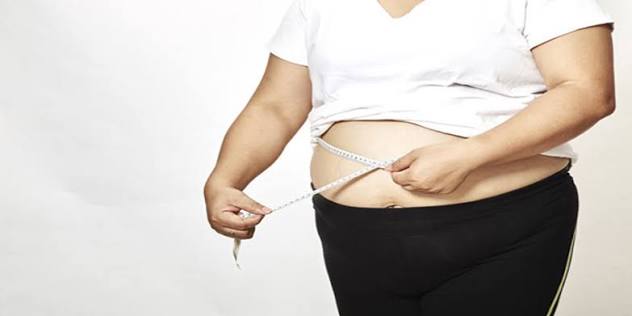
Common Causes of Hormonal Weight Gain
Several hormonal and lifestyle-related factors may contribute to difficulty managing weight. Understanding these potential causes can help individuals discuss their symptoms and concerns with an appropriate healthcare professional.
1. Thyroid Dysfunction
The thyroid gland plays an important role in regulating metabolism. Hypothyroidism occurs when the thyroid does not produce enough thyroid hormones, and it can be associated with symptoms such as tiredness and weight gain.
For individuals with thyroid-related weight concerns, simply reducing food intake may not address the underlying issue. A suitable approach may require understanding the individual’s health situation along with their nutritional and lifestyle needs.
2. PCOS and PCOD
PCOS and PCOD are commonly associated with hormonal changes that can make weight management more challenging for some women. Weight gain, difficulty losing weight and changes in body composition may occur alongside other symptoms.
A generic diet plan may not always be suitable for someone dealing with PCOS-related weight concerns. Nutrition, physical activity, lifestyle habits and ongoing monitoring may all need to be considered as part of a personalized approach.
3. Menopause-Related Hormonal Changes
Menopause brings significant hormonal changes that can affect the way the body stores and manages fat. Some women notice changes in body composition and weight during this stage of life even when their daily routine has not changed significantly.
A balanced nutrition and lifestyle strategy can help support healthy weight management during this period. Individual needs should be considered rather than relying on a one-size-fits-all approach.
4. Chronic Stress and Cortisol
Long-term stress can affect various aspects of health and lifestyle, including eating patterns, sleep and physical activity. Cortisol, commonly known as a stress hormone, is involved in the body’s response to stress.
Persistent stress may make weight management more difficult for some individuals. Addressing lifestyle factors such as sleep, activity, nutrition and stress management can therefore be an important part of a comprehensive weight-management plan.
Why Generic Diet Plans May Not Always Work
Many people begin their weight-loss journey by following a standard diet plan or significantly reducing their calorie intake. While nutrition and calorie balance are important components of weight management, the same strategy may not produce the same results for everyone.
Someone dealing with thyroid dysfunction, PCOS, menopause-related changes or prolonged stress may have different requirements from someone without these concerns. This is why understanding the individual’s circumstances can be more useful than simply following a generic diet chart.
At Prettislim, the focus is on understanding the factors that may be influencing an individual’s weight and then developing a nutrition and lifestyle strategy around their specific requirements. The approach can include dietary changes, activity guidance and regular monitoring so that the plan can be adjusted according to progress and individual response.
How Is Hormonal Weight Gain Identified?
Identifying the reason behind weight gain begins with understanding the individual’s history, symptoms, lifestyle and weight-management journey. Depending on the person’s situation, a healthcare professional may recommend appropriate medical evaluation or testing to investigate potential underlying causes.
It is important not to assume that every case of weight gain is caused by hormones. Changes in diet, physical activity, sleep, stress, medications, age and other health factors may also influence body weight. A proper assessment can help determine which factors need attention.
This personalized approach is particularly relevant for individuals who have repeatedly tried weight-loss programs without achieving sustainable progress.
Prettislim’s Approach to Hormonal Weight Management
At Prettislim, hormonal weight management starts with understanding the individual’s concerns and identifying factors that may be affecting their progress. The goal is not simply to provide a standard diet chart but to create a more personalized strategy based on individual requirements.
The program may focus on nutrition, activity guidance, lifestyle changes and consistent monitoring. As the individual progresses, the approach can be reviewed and adjusted according to their response.
For people dealing with concerns such as PCOS, thyroid-related weight changes, menopause or stress-related weight challenges, this individualized approach can help make weight management more structured and practical.
Nutrition and Lifestyle Guidance
Nutrition is an important part of managing body weight, but it should be considered alongside the individual’s overall lifestyle and requirements. Instead of focusing only on restricting food, a personalized plan can help individuals understand appropriate eating patterns and make realistic changes that fit their routine.
Activity guidance can also be incorporated according to an individual’s abilities and circumstances. Consistency is often more important than following an extreme short-term routine.
Sleep and stress management may also deserve attention, particularly when lifestyle factors are contributing to difficulties with weight management.
Monitoring Progress Matters

Weight management is not always a linear process. Body weight can change due to several factors, and the same strategy may not work equally well throughout the journey. Regular monitoring can help identify what is working and where adjustments may be needed.
At Prettislim, ongoing monitoring forms part of the personalized approach. Nutrition and lifestyle recommendations can be reviewed as the individual responds to the program, helping create a more flexible weight-management journey.
When Should You Consider Professional Guidance?
If you are gaining weight without an obvious reason, repeatedly struggling to lose weight or experiencing other symptoms associated with hormonal changes, professional guidance may be appropriate.
Individuals with concerns related to thyroid function, PCOS or PCOD, menopause, stress or other health conditions should discuss their symptoms with a qualified healthcare professional. Self-diagnosing a hormonal imbalance based only on weight gain is not recommended.
A professional assessment can help distinguish between hormonal, lifestyle and other possible contributors to weight changes and determine what type of support may be appropriate.
Why Choose Prettislim for Weight Management?
Prettislim focuses on personalized weight-management strategies rather than treating every individual with the same approach. Understanding the possible factors behind weight gain allows the program to be better aligned with individual requirements.
The approach combines nutrition and lifestyle guidance with regular monitoring, helping individuals make informed changes throughout their weight-management journey. For people concerned about hormonal weight gain, the focus is on identifying relevant factors and creating a practical strategy rather than relying solely on generic calorie restriction.
Conclusion
Hormonal weight gain can make weight management more challenging, particularly when conditions such as thyroid dysfunction, PCOS or PCOD, menopause-related hormonal changes or chronic stress are involved. However, weight gain can have multiple causes, so identifying the underlying factors is an important first step.
If diet and exercise have not produced the results you expected, it may be worth discussing your concerns with a healthcare professional rather than assuming that simply eating less will solve the problem. At Prettislim, personalized nutrition, activity guidance and consistent monitoring are used to support individuals with their weight-management goals.
If you suspect that hormonal factors may be affecting your weight, a consultation can help you understand your situation better and determine a suitable path forward.
FAQs
1. What causes hormonal weight gain?
Hormonal weight gain may be associated with factors such as thyroid dysfunction, PCOS or PCOD, menopause-related hormonal changes and chronic stress. However, weight gain can have several causes, so professional assessment may be needed to identify contributing factors.
2. Can thyroid problems make it difficult to lose weight?
Thyroid dysfunction, particularly hypothyroidism, can be associated with weight gain and other symptoms. If thyroid-related weight changes are suspected, appropriate medical evaluation and professional guidance are important.
3. Does PCOS cause weight gain?
PCOS can be associated with weight gain and difficulty managing weight in some women. A personalized nutrition and lifestyle approach may be more appropriate than relying on a generic diet plan.
4. How does Prettislim approach hormonal weight gain?
Prettislim focuses on understanding individual requirements and developing a personalized nutrition and lifestyle strategy. The approach can include dietary changes, activity guidance and ongoing monitoring.
5. When should I seek help for unexplained weight gain?
If you experience unexplained or persistent weight gain despite maintaining healthy habits, or if you have other symptoms suggesting a possible hormonal issue, consider discussing your concerns with a qualified healthcare professional.

 Call Us