





What is gynecomastia? It is a common condition in men where the breast tissue becomes enlarged, often creating the appearance of a feminine chest. This enlargement happens due to an imbalance between testosterone and estrogen hormones. Many men mistake it for simple chest fat, but the two are different. While chest fat can often be reduced through diet and exercise, gynecomastia involves glandular tissue growth that may not respond to workouts alone.
Understanding what is gynecomastia is essential because it not only affects physical appearance but also impacts confidence, emotional well-being, and lifestyle choices. The good news is that gynecomastia is treatable. From natural remedies and lifestyle changes to surgery and advanced non-surgical options like U-Lipo® treatments, men today have multiple solutions to deal with this issue effectively.
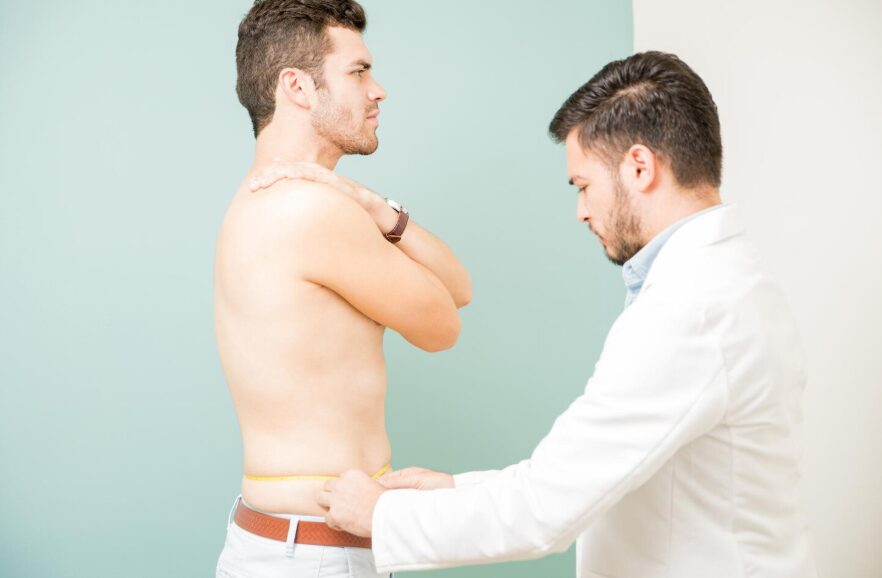
Understanding Gynecomastia
What is Gynecomastia?
When men ask, what is gynecomastia, they are usually referring to the visible enlargement of the chest that resembles female-like breasts. This condition is not just about excess fat but actual glandular tissue growth caused by an imbalance in hormones. Men normally produce both testosterone and estrogen, but testosterone levels are much higher. When this balance is disrupted, and estrogen levels rise or testosterone decreases, breast tissue may grow abnormally.
Gynecomastia is extremely common:
In teenagers, it happens due to puberty-related hormonal surges. Most cases resolve naturally within 1–2 years.
In adults, lifestyle factors like obesity, medications, or steroid use may trigger it.
In older men, testosterone levels naturally decline, which increases the risk of developing gynecomastia.
It’s essential to highlight that what is gynecomastia is not a disease in itself but a condition influenced by various factors. Many men confuse it with simple fat accumulation in the chest, but the difference is clear. Learn more about the difference between gynecomastia and chest fat and gynecomastia vs fat.
Difference between gynecomastia and chest fat (pseudogynecomastia):
Gynecomastia involves firm, glandular tissue beneath the nipple.
Pseudogynecomastia is soft and fatty, linked to overall weight gain.
Exercise and weight loss can shrink pseudogynecomastia, but true gynecomastia often remains. Learn effective weight loss workout plans to manage fat-related issues.
Gynecomastia may cause pain or tenderness, while chest fat does not.
By understanding what is gynecomastia, men can take the right steps toward diagnosis and treatment instead of endlessly trying ineffective home remedies.
Common Symptoms of Gynecomastia
Recognizing symptoms is crucial because early detection can help in managing the condition more effectively. Common signs include:
Swelling in the chest area that doesn’t go away with exercise.
Pain or tenderness around the nipples or chest.
Lump-like glandular tissue beneath one or both nipples.
Uneven chest appearance, where one breast is larger than the other.
Psychological effects like embarrassment, social anxiety, and lack of confidence.
These symptoms vary from person to person. Some may only notice mild swelling, while others may develop a more pronounced enlargement that becomes difficult to hide. Check out gynecomastia signs and symptoms for a detailed overview.
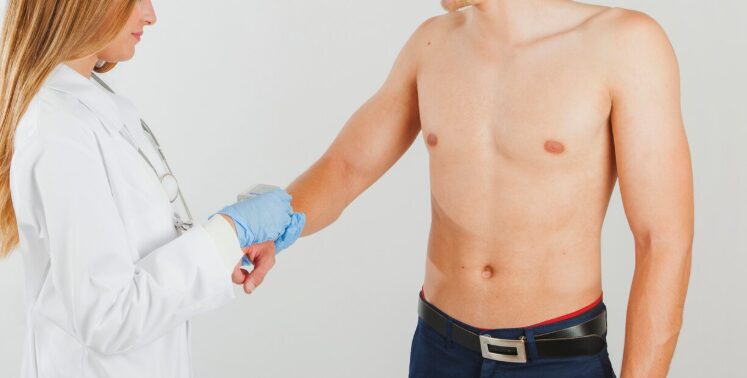
Causes & Risk Factors
What Causes Gynecomastia?
To fully understand what is gynecomastia, we must explore its causes. The key reason is an imbalance between testosterone and estrogen. When estrogen levels dominate, breast tissue starts growing. This imbalance can occur for several reasons:
Hormonal changes in puberty: Teenage boys often experience temporary gynecomastia because their hormones are unstable. In most cases, it disappears within 1–2 years.
Natural aging: As men get older, testosterone levels gradually decrease, while body fat increases. Fat cells produce estrogen, which contributes to the problem.
Obesity: Being overweight not only increases fat in the chest but also boosts estrogen production, which fuels glandular growth.
Substance use: Alcohol, anabolic steroids, marijuana, and certain drugs can disrupt hormone levels.
Medications: Some antidepressants, heart medications, and liver-related drugs are known to cause gynecomastia as a side effect.
Health issues: Conditions like thyroid disorders, liver cirrhosis, kidney failure, or tumors affecting hormone production can trigger gynecomastia.
The good news is that in many cases, once the cause is identified and addressed, the symptoms improve. For example, reducing alcohol intake or switching medications under medical supervision may resolve the issue.
Is Gynecomastia Bad for Your Health?
Men often worry, is gynecomastia bad? While it rarely poses a direct health risk, it can still impact overall well-being in several ways:
Emotional health: Many men feel self-conscious about removing their shirts at the beach, gym, or even in intimate relationships. This can lead to avoidance of social situations.
Mental health: Persistent gynecomastia often contributes to stress, low self-esteem, and depression.
Physical discomfort: Some men experience tenderness, soreness, or mild pain in the chest area.
Medical concerns: Though uncommon, gynecomastia may occasionally signal a serious condition such as a tumor or hormonal disorder.
So, while the answer to is gynecomastia bad in terms of life-threatening risk is “no,” its psychological impact makes it important to address. Ignoring the condition can lead to long-term confidence and lifestyle challenges.

Diagnosis & Myths
How is Gynecomastia Diagnosed?
The first step in treating what is gynecomastia is correct diagnosis. Doctors typically use a combination of medical history, physical exams, and sometimes imaging tests. The process includes:
Physical examination: A doctor feels the chest area to check if the tissue is glandular (firm) or just fat (soft).
Blood tests: These help measure hormone levels and detect imbalances.
Ultrasound or mammogram: If there is doubt, imaging scans are recommended to rule out tumors or other abnormalities.
Medication review: Doctors may check whether existing prescriptions could be triggering the condition.
Accurate diagnosis is vital because treatment for chest fat differs greatly from true gynecomastia.
Common Myths Around Gynecomastia
There are many misconceptions about this condition, which often make men feel worse. Some of the most common myths include:
“It only happens to overweight men.” In reality, even lean and athletic men can develop gynecomastia if their hormones are imbalanced.
“Exercise alone can remove it.” Workouts may reduce fat but cannot eliminate glandular breast tissue. Many men get frustrated when months of gym training don’t fix the issue.
“It is always dangerous.” In most cases, gynecomastia is benign. However, medical consultation is important to rule out rare but serious causes.
“It’s permanent no matter what.” False. Treatments like lifestyle changes, medications, surgery, and advanced non-surgical options can successfully manage it.
By busting these myths, men can make informed decisions instead of feeling helpless or trying unproven home remedies.
Treatment Options
How to Get Rid of Gynecomastia?
Men often search for how to get rid of gynecomastia and find multiple solutions:
Lifestyle changes such as diet control, regular exercise, and weight management.
Medical treatment, which includes drugs that balance hormones.
Surgery for male breast reduction in severe or long-standing cases.
Gynecomastia Surgery – Before and After
When men choose surgery, they often experience life-changing results.
Before surgery: Enlarged chest causing embarrassment, discomfort, and avoidance of social activities.
After surgery: A flatter, masculine chest with restored self-esteem and confidence.
Recovery: Takes 2 to 4 weeks, during which patients must avoid heavy physical activity.
Real gynecomastia surgery before and after comparisons clearly highlight the dramatic improvements.
Can Gynecomastia Be Cured Without Surgery?
Many wonder, can gynecomastia be cured without surgery? In the early stages, yes. Possible approaches include:
Medications prescribed to balance hormones.
Non-surgical treatments such as Prettislim’s U-Lipo®, which targets stubborn chest fat safely.
Lifestyle adjustments like avoiding alcohol, maintaining a healthy diet, and exercising regularly.
Natural & At-Home Approaches
How to Reduce Gynecomastia Naturally?
If you are curious about how to reduce gynecomastia naturally, the following steps may help:
Maintain a balanced diet rich in lean protein, vegetables, and healthy fats.
Engage in strength training (push-ups, bench press, dumbbell flys) combined with cardio to burn overall fat.
Avoid substances like alcohol, anabolic steroids, and recreational drugs, which can trigger hormonal imbalance.
Gynecomastia Treatment Without Surgery at Home
Some men prefer exploring gynecomastia treatment without surgery at home. While this may not always resolve the problem, it can reduce fat-related enlargement:
Home workouts focusing on chest and core muscles.
Herbal supplements, but only under medical guidance.
Practicing a healthy lifestyle that prevents hormone disruption.
When to Seek Professional Help
Do You Need Expert Help for Gynecomastia?
You should consult an expert if:
The swelling persists longer than 6 months.
Pain, tenderness, or emotional discomfort becomes severe.
Lifestyle efforts and home remedies do not show improvement.
You wish to achieve a permanent and professional solution.
Professional guidance ensures proper diagnosis and treatment tailored to your condition.
Conclusion
To summarize, what is gynecomastia? It is a common enlargement of male breast tissue due to hormonal imbalance. It is not dangerous but can cause emotional challenges and affect lifestyle. The condition can be managed through natural remedies, medications, surgery, or innovative non-surgical options.
If you want a safe, professional, and effective solution, Prettislim’s advanced U-Lipo® treatment offers a non-surgical way to reduce stubborn male chest fat. Backed by doctors, dietitians, and 95% client satisfaction, it is designed to deliver results without pain or downtime.
Call 8080808818 or book a free BCA consultation today with Prettislim to take your first step toward confidence and a sculpted chest.

 Call Us