




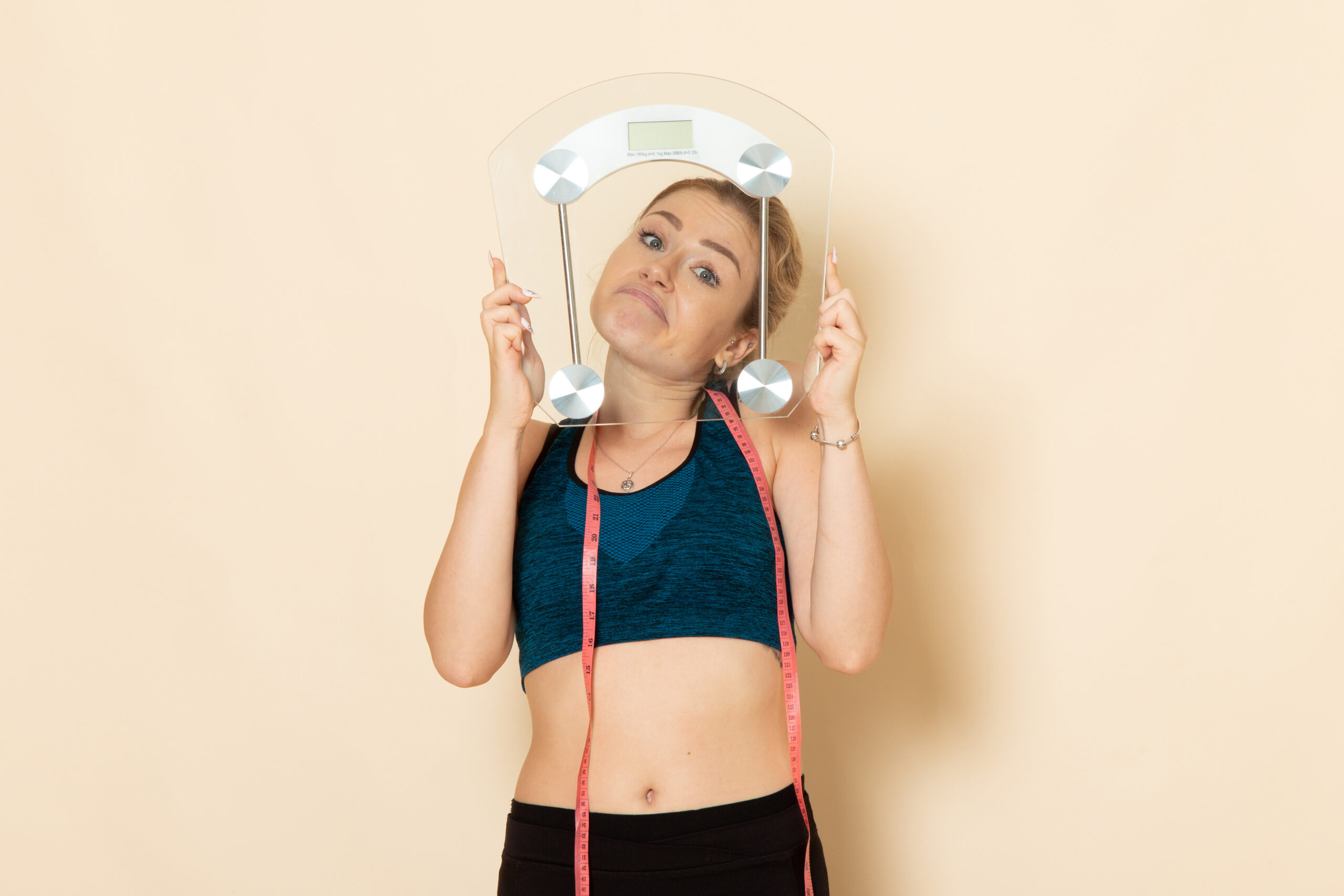
Can stress cause weight loss? Yes, stress can cause weight loss because it influences your hormones, appetite, and metabolism in ways that may reduce your food intake and increase your body’s energy usage. For some individuals, stress triggers overeating, but for many others, it leads to rapid and unexpected weight loss that feels alarming and unhealthy.
Stress is not only an emotional state but also a physical reaction. When the body enters survival mode, it releases hormones like cortisol and adrenaline, which prepare you for action. These hormonal changes can suppress appetite, disrupt digestion, and speed up calorie burning. Over time, this can lead to significant weight reduction that is unintentional and sometimes dangerous.
Understanding the question “can stress cause weight loss?” is important for protecting your health. If stress-related weight changes go unnoticed, they may result in fatigue, poor immunity, nutrient deficiencies, and long-term health problems.
Understanding the Link Between Stress and Weight Loss
What Happens to Your Body Under Stress?
When you are under pressure, your body prepares to face challenges by activating the stress response system. This process is not just mental; it involves significant physical changes that explain why weight fluctuations occur. To understand can stress cause weight loss, it’s important to examine these mechanisms closely:
- Hormonal fluctuations: The body releases stress hormones like adrenaline and cortisol. Adrenaline gives an instant burst of energy and suppresses hunger. Cortisol raises blood sugar levels but also alters how fat, protein, and carbohydrates are used. Over time, this imbalance can reduce your appetite.
- Digestive system impact: Stress affects digestion by slowing gastric emptying in some people and speeding it up in others. This can result in nausea, stomach upset, diarrhea, or reduced nutrient absorption — all of which contribute to unintentional weight loss.
- Behavioral changes: When stressed, many people unconsciously skip meals, snack less, or fail to prioritize balanced nutrition. This reduces overall calorie intake. See more on Indian diet plan for weight loss and diet plan for weight loss for female.
- Increased energy demand: The body, in a state of heightened alertness, often burns more calories. Even if you are eating the same as usual, you may lose weight faster than expected.
These biological and behavioral shifts explain why stress weight loss is not uncommon. However, while it may seem like a shortcut, the health consequences are rarely positive.
Can Stress Cause Weight Loss?
The straightforward answer is yes — stress can cause weight loss in both short and long durations. But how this plays out differs:
- Short-term stress: In the immediate period after a stressful event, adrenaline levels spike. This hormone is known to reduce appetite and increase energy expenditure. For instance, someone preparing for exams or handling a work deadline may notice they forget to eat or feel less hungry, leading to quick weight reduction.
- Long-term stress: Chronic exposure to stress is far more harmful. Elevated cortisol levels disrupt sleep, appetite, and digestion. Unlike short bursts, chronic stress can cause ongoing appetite suppression and nutrient deficiencies, often leading to steady and sometimes dangerous weight loss.
So while the question “can stress cause weight loss?” has a clear “yes” answer, it’s equally important to understand that such weight reduction comes with risks and is very different from healthy weight management. For safer approaches, Prettislim U-Lipo treatments can provide controlled body contouring without risking your health.
How Fast Can Stress Make You Lose Weight?
Many people ask, how fast can stress make you lose weight? The speed of weight loss depends on multiple internal and external factors. Stress does not affect everyone in the same way, which explains why one person may lose weight rapidly, while another may not notice much change.
Factors that Influence Speed of Weight Loss
- Metabolism: A person with a naturally high metabolism will burn calories faster, so stress-induced changes will be more noticeable.
- Appetite suppression: For individuals whose appetite shuts down under stress, skipped meals can lead to quick drops in weight.
- Sleep quality: Stress often disrupts sleep. Poor sleep weakens the body and accelerates calorie use, leading to weight loss.
- Nutritional habits: Someone eating nutrient-poor meals or consuming only caffeine during stressful times will lose weight faster compared to someone who maintains a balanced diet. Check 21-day diet plan for weight loss for structured guidance.
- Duration of stress: Short stress episodes may cause minor changes, but chronic stress leads to long-term and more dramatic shifts.
Warning Signs of Unhealthy Stress Weight Loss
- Unexplained weight drop of more than 5% body weight in a month
- Weakness, constant fatigue, and dizziness
- Ongoing lack of appetite or skipping meals without trying
- Digestive issues like bloating, nausea, or diarrhea
Realistic vs. Dangerous Loss
While some minor changes may happen in days, how fast can stress make you lose weight dangerously is when you see several kilograms disappear in just a few weeks without intention. This is not safe or sustainable, and it signals your body is under strain rather than improving in health.
Stress Weight Loss vs. Healthy Weight Loss
Why Stress-Induced Weight Loss Can Be Harmful
Stress-induced weight loss may feel like a quick change, but it can damage your health in multiple ways:
- Nutrient deficiencies that weaken bones, skin, and hair
- Fatigue and constant lack of energy
- Lowered immunity, making you prone to infections
- Hormonal imbalance that affects mood and body functions
- Increased risk of long-term health issues
Stress Weight Loss vs. Planned Weight Management
When comparing stress weight loss with a scientific weight-loss program, the differences are clear:
- Stress weight loss is unintentional and uncontrolled, while planned programs are structured and guided by professionals.
- Nutrition is often poor during stress, while healthy programs focus on balanced meals and lifestyle improvements. See gym diet plan for weight loss for examples.
- Stress weight loss leaves you weak and fatigued, whereas managed weight programs improve stamina and wellbeing.
- Long-term health risks are high with stress-driven loss, but structured programs ensure safe, lasting results.
- Emotional health suffers with stress, while guided weight management builds confidence and positivity.
These points highlight why can stress cause weight loss is a health concern, not a solution for weight management.
Does Anxiety Cause Weight Loss Too?
Another common question is, does anxiety cause weight loss? Yes, anxiety can also trigger weight reduction, though the reasons differ slightly from stress.
- Stress vs. anxiety: Stress is usually triggered by external pressures, while anxiety is an ongoing internal feeling of worry or fear.
- Appetite suppression: Anxiety often reduces appetite, leading to skipped meals and weight loss.
- Gut-brain connection: Anxiety disrupts digestion, causing nausea, stomach upset, or reduced nutrient absorption.
- Eating behaviors: Some people eat less due to worry, while others alternate between overeating and not eating at all.
Therefore, both stress and anxiety can cause weight changes, but anxiety often affects the digestive system more strongly.
Coping with Stress-Induced Weight Loss
If stress can cause weight loss, then finding healthy coping strategies becomes crucial. Here are effective methods:
- Balanced diet: Eat small, frequent meals rich in nutrients, even when appetite is low.
- Mindfulness & relaxation: Meditation, yoga, and breathing exercises reduce cortisol levels.
- Sleep hygiene: Aim for 7–9 hours of quality sleep to stabilize hormones.
- Therapy and counseling: Speaking with professionals can reduce anxiety and stress symptoms.
- Physical activity: Light exercise like walking improves mood and appetite regulation.
- Medical checkups: Seek medical advice if weight loss is rapid or unexplained.
A Safer Way to Manage Weight with Prettislim
Instead of depending on stress for weight changes, Prettislim offers a scientific and safe solution.
Why choose Prettislim’s U-Lipo®?
- Non-surgical and painless
- Provides targeted inch loss
- Helps in safe body contouring
- Improves stamina and energy
- Focuses on long-term results and health
Prettislim’s approach ensures that you lose inches in a controlled, healthy way — unlike stress-driven weight loss, which leaves your body weak and unbalanced.
Client Experiences :
- Many clients have reported losing inches safely without fatigue.
- Results were healthier, more sustainable, and improved overall confidence.
Stress and Weight Loss Cycle
Stress follows a repeated cycle that explains weight loss:
- Stressful event triggers emotional strain
- Hormones like cortisol and adrenaline rise
- Appetite reduces and digestion slows
- Meals are skipped, calories are burned faster
- Unintentional weight loss occurs
- Fatigue, weakness, and illness develop
This cycle shows why asking can stress cause weight loss is important — because the outcome is rarely beneficial.
Frequently Asked Questions
Yes, stress can cause weight loss quickly by suppressing appetite and speeding up metabolism, but this is unhealthy and unsustainable.
Some people notice weight reduction within days, while others see significant changes in weeks. Rapid loss should always be monitored by a doctor.
Yes, because it often leads to fatigue, nutrient deficiencies, and weaker immunity. It may also affect mood and long-term health.
Yes, anxiety can cause weight loss by reducing appetite and disrupting digestion, leading to unintentional weight reduction.
Stress affects everyone differently. Some overeat comfort foods, leading to weight gain, while others lose their appetite and slim down.
No, stress-related weight loss is usually temporary and not sustainable. Once stress reduces, weight often returns.
If you lose more than 5% of your body weight in a month without trying, you should seek medical advice.
A structured, science-based program such as Prettislim’s U-Lipo® ensures healthy, safe, and long-term weight management.

 Call Us